

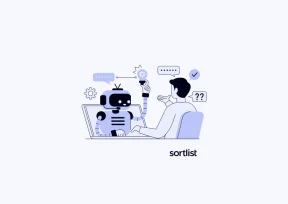
Human vs. AI Creativity: The Future of Collaboration in Design

Introduction: The Evolving Landscape of Creative Decision-Making
The design industry is experiencing a paradigm shift as artificial intelligence (AI) transforms creative workflows and decision-making processes. Tools like Midjourney, DALL-E, and Stable Diffusion enhance human creativity rather than replace it. This evolution blends human intuition with machine efficiency—similar to shifts explored in our guide to AI in 3D animation, where creativity and technology merge seamlessly.
AI has emerged as a powerful collaborator in the creative process, challenging traditional notions of authorship while opening new avenues for human-machine collaboration. From rapid prototyping to innovative ideation, AI’s impact is undeniable. The key to success lies in harnessing AI’s capabilities while preserving the irreplaceable aspects of human creativity.
Key Takeaways
- AI amplifies creativity, not replaces it: Tools like Midjourney and DALL·E accelerate prototyping and technical tasks, freeing designers to focus on strategy and storytelling.
- Human touch remains irreplaceable: Cultural awareness, emotional intelligence, and narrative depth ensure designs resonate beyond aesthetics.
- Workflows are evolving: Designers are shifting from execution to direction, curating AI outputs through clear roles, feedback loops, and hybrid processes.
- Future designers need new skills: Prompt engineering, ethical awareness, and orchestration of AI systems define tomorrow’s creative leaders.
Symbiosis in Action: How AI Enhances Human Vision
The collaboration between human designers and AI tools exemplifies a powerful symbiotic relationship. AI systems excel at processing vast data, spotting patterns, and generating variations at speed. When combined with human vision, this produces results neither could achieve alone. This mirrors insights from AI tools for event planning, where machine precision supports human-led strategy.
In practice, this symbiosis manifests in several key areas:
- Rapid design variation generation based on initial human input
- Technical task assistance (colour harmony analysis, layout optimisation, accessibility compliance)
- Freeing human designers to focus on higher-level creative decisions and emotional resonance
This partnership doesn’t replace human creativity but amplifies it, transforming the designer’s role from executing every detail to orchestrating a more sophisticated and efficient creative process.
The Irreplaceable Human Touch: Emotion, Culture, and Narrative
While AI handles technical execution, human creativity delivers emotion, culture, and storytelling. These qualities echo discussions in designing for accessibility, where human empathy ensures technology-driven design connects meaningfully with diverse audiences.
Human creativity draws from a rich tapestry of lived experiences, cultural nuances, and emotional understanding that shape design decisions. Designers innately grasp:
- Cultural sensitivities
- Local contexts
- Social implications
- Emotional responses
- Compelling narratives
This deep understanding of human psychology and social dynamics enables designers to create work that not only looks appealing but also carries meaningful significance and emotional resonance.
Adapting to Change: New Workflows in Creative Teams
Design teams are restructuring workflows, combining AI-powered prototyping with human refinement. This hybrid approach aligns with principles in our UI/UX guide, where structured processes ensure technology supports creativity, not overshadows it.
Project managers and creative directors are implementing hybrid approaches that combine AI-powered rapid prototyping with human-led refinement phases. This evolving workflow emphasises:
- Clear communication channels
- Well-defined roles
- Designers as curators and creative directors of AI-generated content
Regular feedback loops between human team members and AI tools ensure that final outputs maintain both technical precision and authentic creative expression.
Challenges and Opportunities in AI-Human Collaboration
The integration of AI in creative workflows presents both significant hurdles and unprecedented opportunities for design professionals. The biggest hurdle is ensuring creative intent translates into AI-generated outputs. Yet this challenge opens doors to innovation, as seen in AR advertising and 3D branding, where human vision directs technology toward impactful experiences.
However, these challenges open doors to remarkable opportunities for growth and innovation:
- Rapid prototyping and iteration
- Exploration of countless design variations
- Data-driven decision-making
- Enhanced creative authority
The key to success lies in viewing AI not as a replacement but as an amplifier of human creativity, focusing on developing workflows that leverage the strengths of both human insight and machine efficiency.
The Designer of Tomorrow: From Creator to Creative Director
Designers are evolving into creative directors who orchestrate both AI and human expertise. This transformation is part of wider industry change, echoing the trends highlighted in the future of logo design.
This strategic position requires new skills, including:
- AI prompt engineering
- Workflow optimisation
- Curation and refinement of AI-generated outputs
The designer of tomorrow combines human intuition and creative judgment with technological proficiency to deliver more impactful and efficient creative solutions.
Ethical Considerations in AI-Assisted Design
The integration of AI in design raises crucial ethical questions about originality, attribution, and creative responsibility. Designers must navigate complex issues surrounding data privacy, bias in AI algorithms, and the authenticity of AI-generated content while ensuring transparent communication with clients about AI involvement in their creative process.
These ethical considerations extend to:
- Intellectual property rights
- Fair compensation of human creators
- Proper consent mechanisms for data usage
- Fair revenue sharing between human designers and AI platforms
The key is striking a balance that honours both technological innovation and human creative rights in the evolving design landscape.
Conclusion: Embracing a Future of Enhanced Creativity
The future of design lies in human, AI collaboration, where efficiency and data merge with empathy and cultural depth. For brands and creators, exploring this synergy is as crucial as adopting 3D design services in the UK to remain competitive.
This collaboration represents a transformative shift in creative workflows, where designers become strategic creative directors who harness AI’s computational power while maintaining their unique human perspective. By embracing this hybrid approach, designers can focus on higher-level creative thinking and innovation, using AI to handle repetitive tasks and generate initial concepts.
The key to success in this new era lies in:
- Maintaining ethical awareness
- Continuously adapting to technological advances
- Recognising the power of human-AI collaboration
This symbiotic relationship promises to unlock unprecedented creative possibilities, leading to more innovative, efficient, and impactful design outcomes that benefit both creators and audiences alike.


